

Microneedling for Hair Loss in Stone Oak, San Antonio
Scalp microneedling to thicken thinning hair and improve density — with an honest assessment of whether it will work for your type of loss.
Why the cause matters before the treatment
Hair loss is not one condition. Androgenetic thinning, telogen effluvium after illness or stress, thyroid-driven loss, iron deficiency, and scarring alopecias all look similar to the untrained eye and respond very differently.
We assess before we treat. That may include labs. Treating the wrong cause wastes months, and with scarring alopecias, delay costs follicles that do not come back.
How microneedling helps the scalp
Controlled micro-injury to the scalp triggers your own growth factor release and increases blood supply to the follicle. The needling itself stimulates the follicle to shift back toward an active growth phase.
It also markedly improves absorption of topical minoxidil — the channels let far more product reach the follicle than it would through intact scalp. That combination is where most of the published benefit sits, and it is why we treat this as complementary to medical therapy rather than a replacement for it.
It thickens hair that is still there. It does not regrow hair where the follicle is gone.
What is realistic
This thickens existing miniaturised hair and can wake dormant follicles. It does not regrow hair where the follicle is gone.
Expect the first visible change around three months, since that is how hair cycles. A course is four to six sessions a month apart, then maintenance. Results require continued treatment; stopping generally means gradual return to baseline.
When we refer you out
Sudden patchy loss, scarring, scalp inflammation, or loss with other systemic symptoms needs a dermatologist, not an aesthetic treatment.
If your pattern suggests you would do better on finasteride, oral minoxidil, or a transplant evaluation, we will say so. This treatment complements medical therapy more often than it replaces it.
Before & after
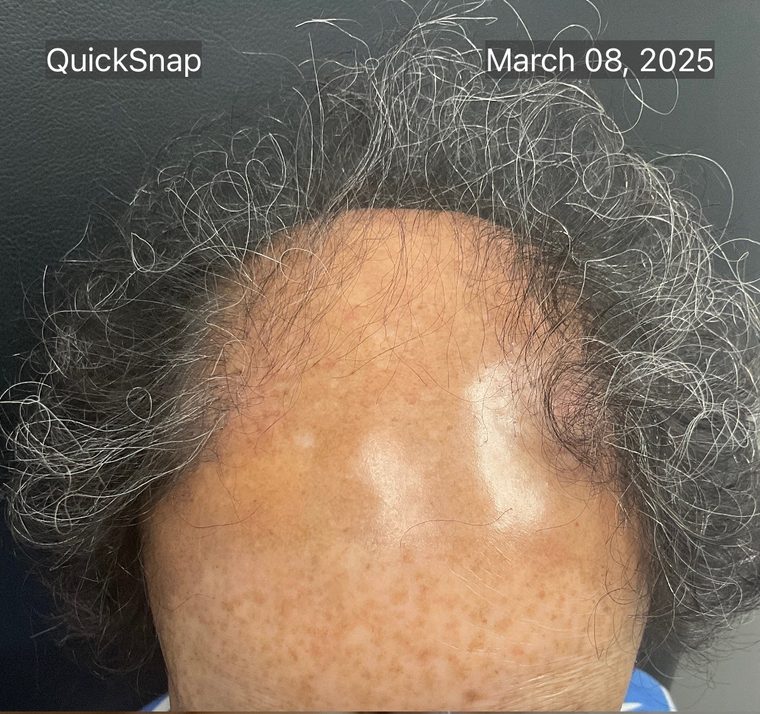
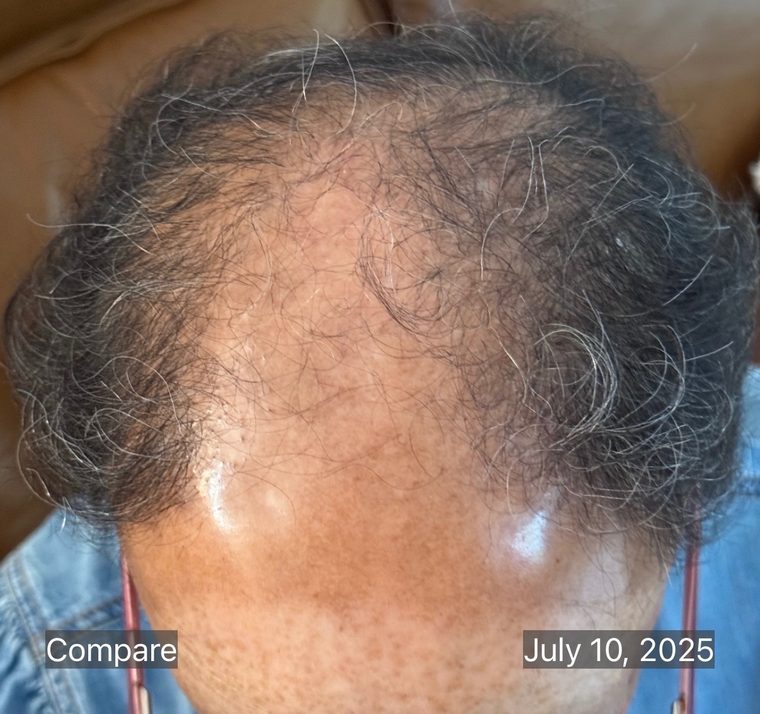
Where we treat
Microneedling for hair loss, answered plainly.
Does microneedling really regrow hair?
It thickens existing miniaturised hair and improves density. It does not regenerate follicles that are gone. Realistic expectations are the difference between satisfaction and disappointment here.
How long before I see anything?
About three months, because that is how long the hair cycle takes. Photographs at the start are essential since gradual change is hard to self-assess.
What actually makes it work?
Two things: the needling stimulates the follicle directly, and the channels let topical minoxidil absorb far better than it does through intact scalp. Most of the published benefit comes from that combination.
Do I still need minoxidil or finasteride?
Frequently yes. Microneedling improves minoxidil absorption considerably. We treat this as complementary to medical therapy, not a replacement.
Does it hurt?
Topical numbing is applied first. Most people describe pressure and vibration. The scalp is more sensitive than the face but it is manageable.
Book a consultation
Forty-five minutes with a licensed provider, no fee and no obligation. You leave with a written plan and real pricing — including the parts you should skip.
Book a consultation